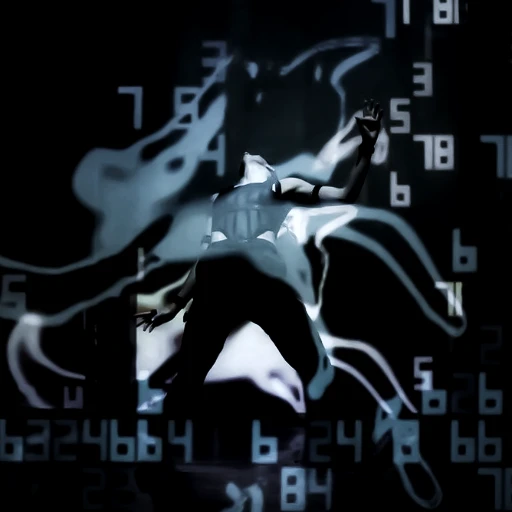
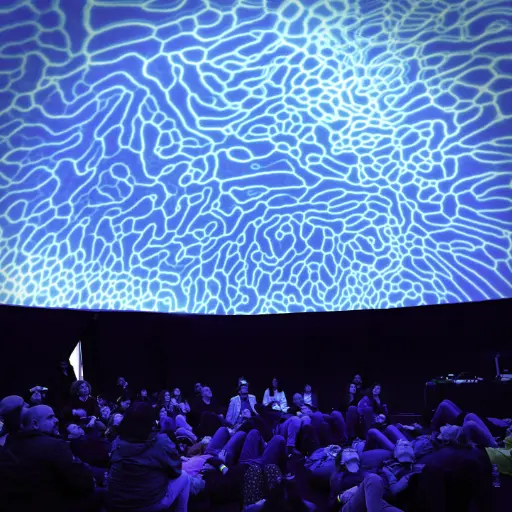
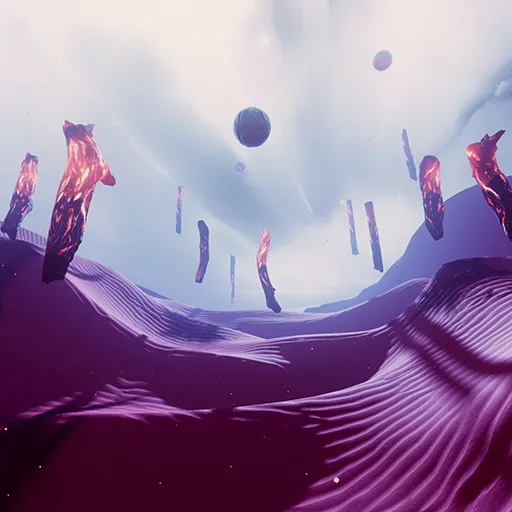
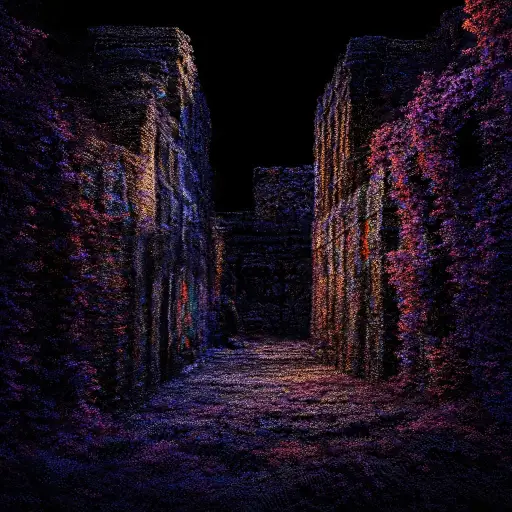
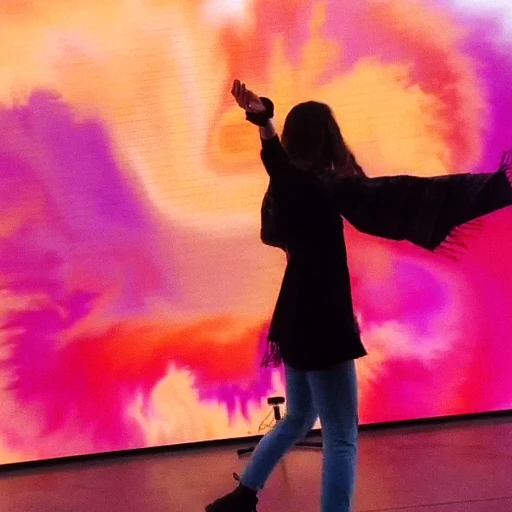
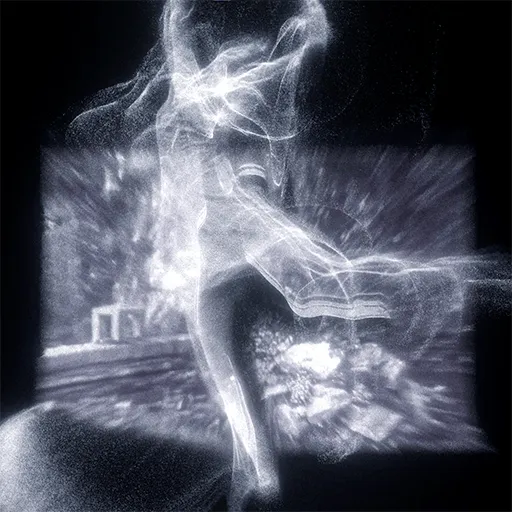
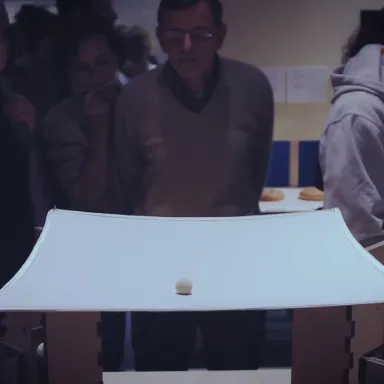
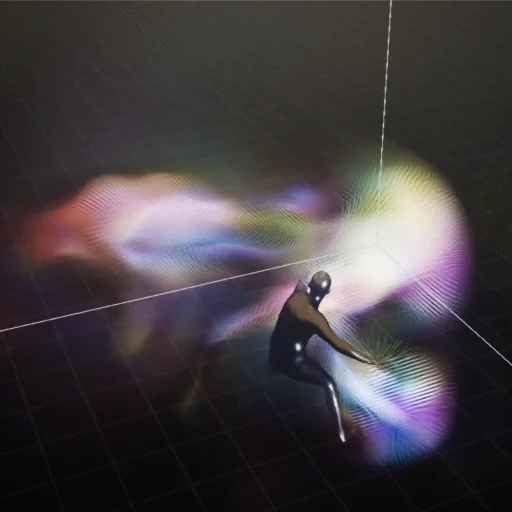
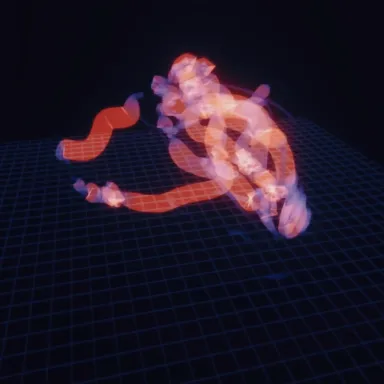
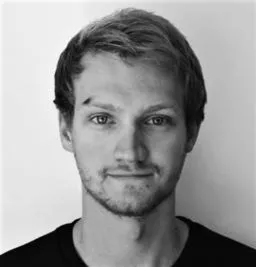
George Adamopoulos is an artist and programmer who tells computers to do things — occasionally they work, occasionally they look good, and sometimes both. He makes interactive artworks that move, glow, and respond to the people around them, whether they're standing in front of them in a museum, beneath them in a projection dome, or inside them in VR/XR environments.
Born in Athens in 1990, he came up through street art and comics, which gave him an early feel for how people assert read/write privileges in public space and how images tell stories in sequence, concerns he later turned into computational tools for analyzing and collaboratively designing that same space. He graduated with distinction from the NTUA School of Architecture and Engineering.
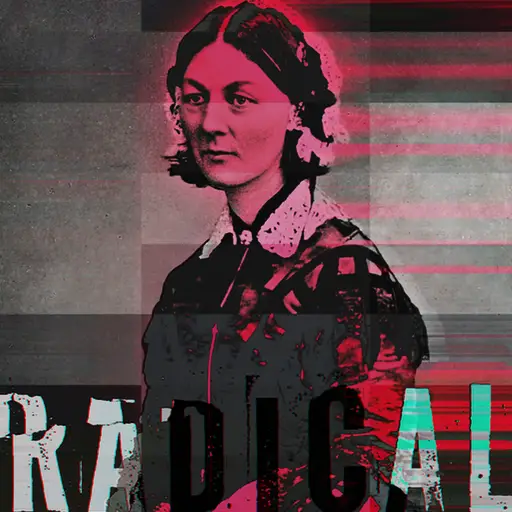
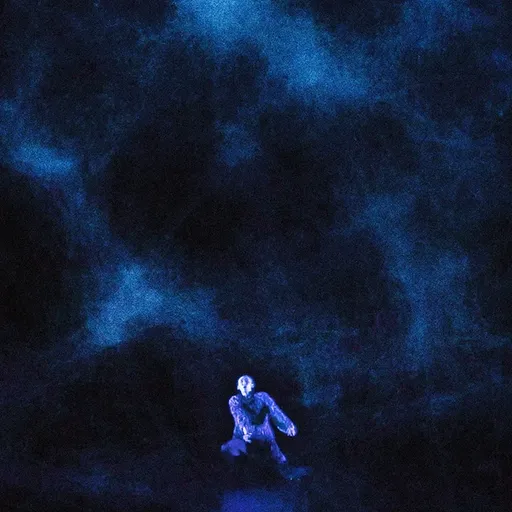
In 2020 he cofounded Uncharted Limbo, a collective of creative coders and new-media artists grounded in the spirit of the Greek word Techne: the inseparability of artistic expression and technical craft. Its genre-defying work has shown at the BFI London Film Festival, Sadler's Wells, the V&A, and Onassis Stegi, and as recipients of the S+T+ARTS AIR grant the collective explores where performing arts meet artificial neural networks. Spreadbeats — a music video coded and performed entirely inside Excel — helped land Uncharted Limbo at #2 in D&AD's Top Production Company ranking, and Living Portrait won a 2025 Red Dot Design Award.
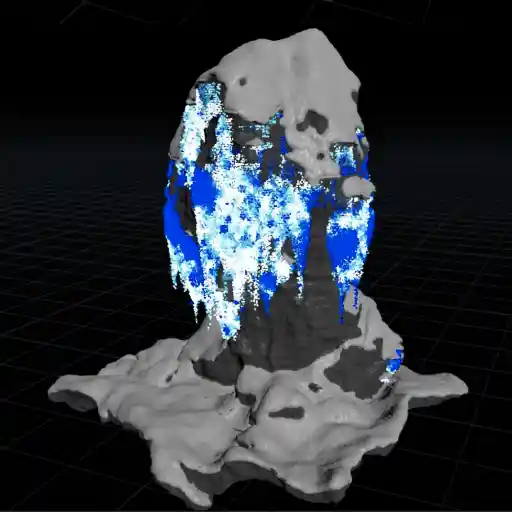
The collective grew out of years in the field. George was a senior software developer in the research team at AKT II, where he led Carbon.AKT, an interactive 3D tool that lets engineers see the embodied carbon of a structure as they design it. Before that he was a senior computational designer at Jason Bruges Studio, programming large-scale responsive installations for venues like London's Natural History Museum, the Barbican, and Google DeepMind's headquarters.
He has also taught for more than a decade, most recently as a lecturer at the UCL Bartlett School of Architecture, focusing on game development and computer graphics in the M.Arch Design for Performance and Interaction (DfPI). The brief he kept giving students is the one that underpins his work: wire the technical craft into culture, philosophy, and a DIY/hacker ethic, and don't mistake one for decoration on the other. He still lectures and runs workshops.